
LRPC STRANDS
Building a Better Tomorrow
What Does Low Relaxation Mean?
The low relaxation property is achieved through a technique referred to as "Stabilizing." This process includes a hot stretching method where the prestressing strand is subjected to a specific tension during the stress-relieving heat treatment. As a result, the steel experiences linear hardening, which greatly improves its resistance to creep and effectively reduces relaxation losses.
A low relaxation strand, when initially loaded to 70 percent of the specified minimum breaking strength of the strand, shall have relaxation losses of not more than 1.8 percent after 100 hours and not more than 2.5 percent after 1000 hours when tested under the controlled temperature of 20 degrees centigrade.
Project Highlights
State-of-the-art infrastructure and capabilities
European Technology
Brand new state of the art high tech inline pre-stressing machine from Europe
Fully Automated
European machineries to produce all variants of LRPC including compacted & indented LRPC
Galvanizing Line
Largest GAL Bed in India for heavy Zinc Coating to ensure corrosion protection
Plastic Extrusion
High-tech plastic extrusion line for coated LRPC with dedicated plastication line
Testing Laboratory
Fully equipped with latest state-of-the-art testing equipment and advanced relaxation test facilities
R&D Facility
In-house R&D facility and Technical Center for continuous innovation
Environmental Responsibility
Sustainability at the core of our operations
Solar Energy
Our plant is partially solar-powered, with plans to expand renewable usage
Carbon Footprint Reduction
Over 10,000 + trees planted through our transit house plantation program, with 11,000 more planned for this year
Zero Liquid Discharge
No wastewater is released, conserving vital water resources
Value Added LRPC Products
Comprehensive range of specialized LRPC strands
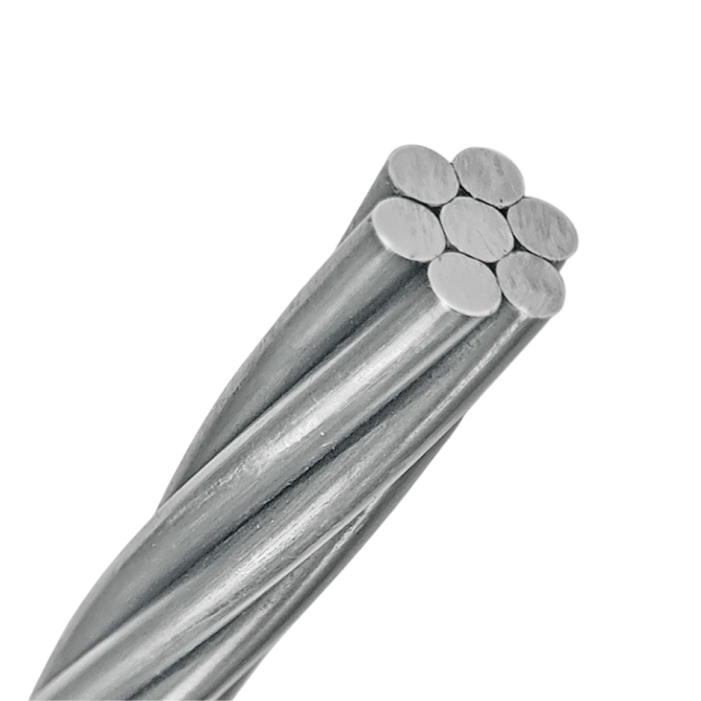
Galvanized LRPC Strand
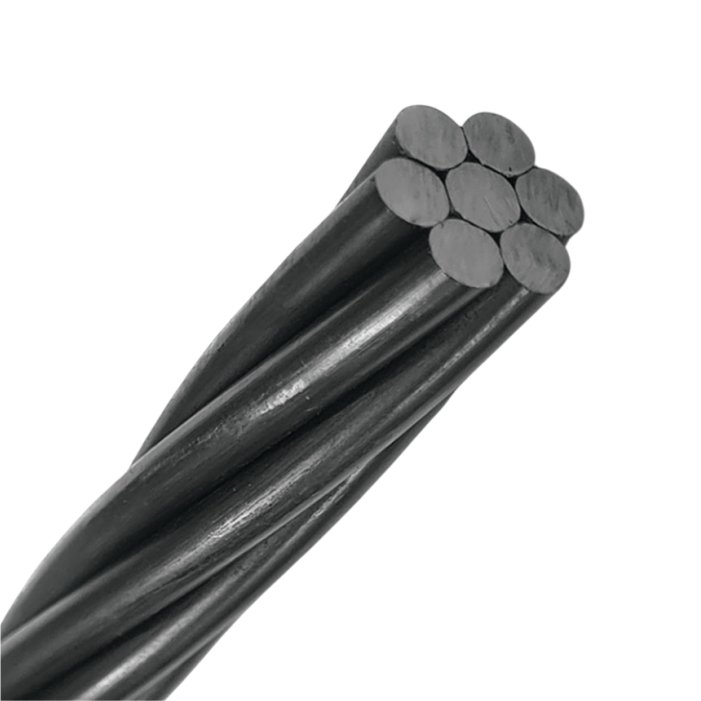
Coated LRPC Strand
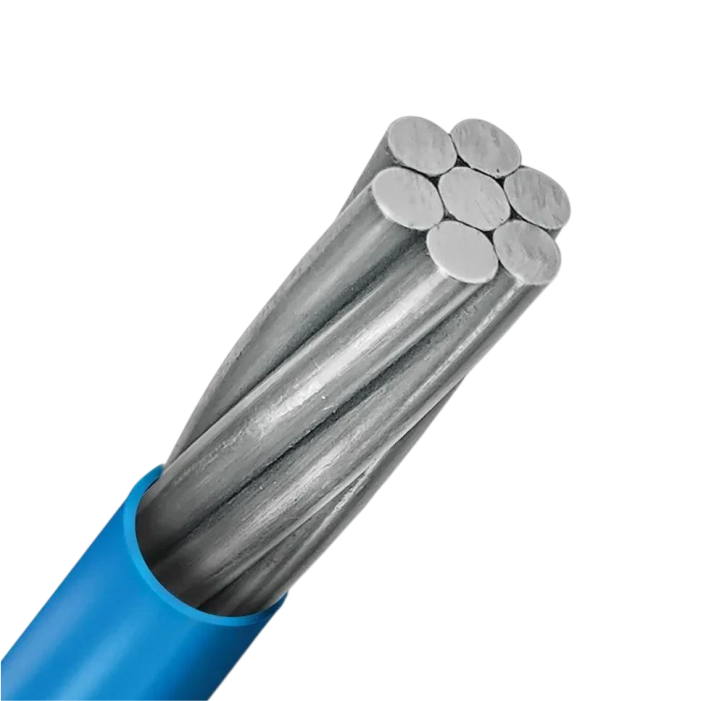
Polymer Coated Galvanized / Bright LRPC Strand
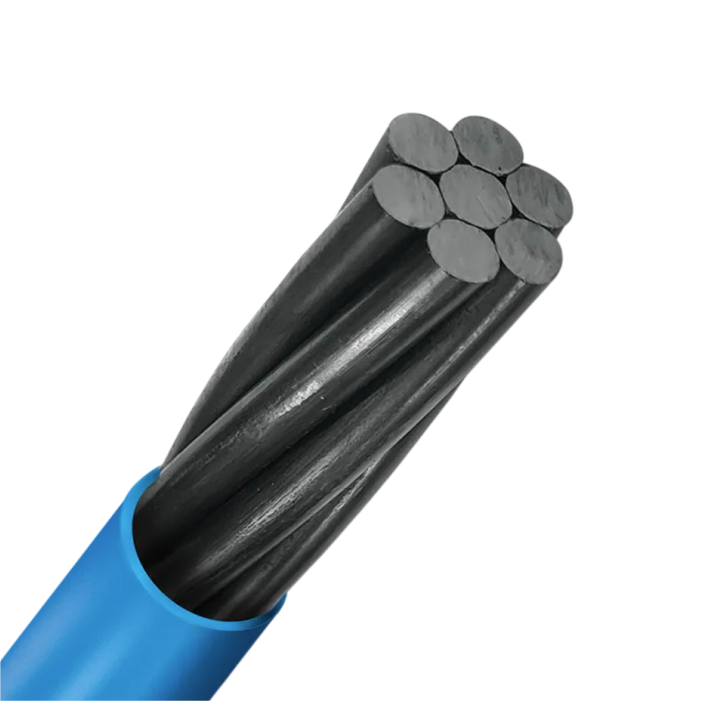
Polymer-Coated Grease/Wax-Filled LRPC Strands
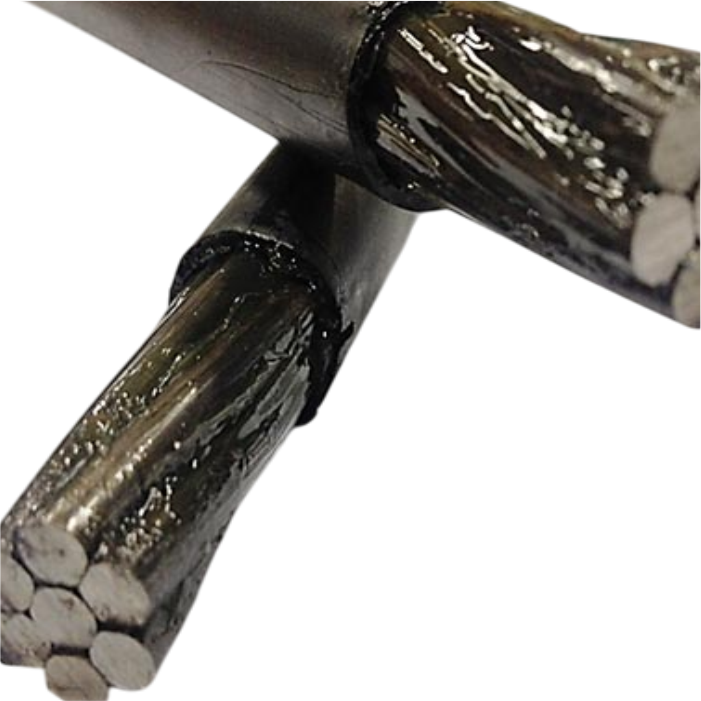
Grease-Filled Unbonded PE Coated LRPC Strands
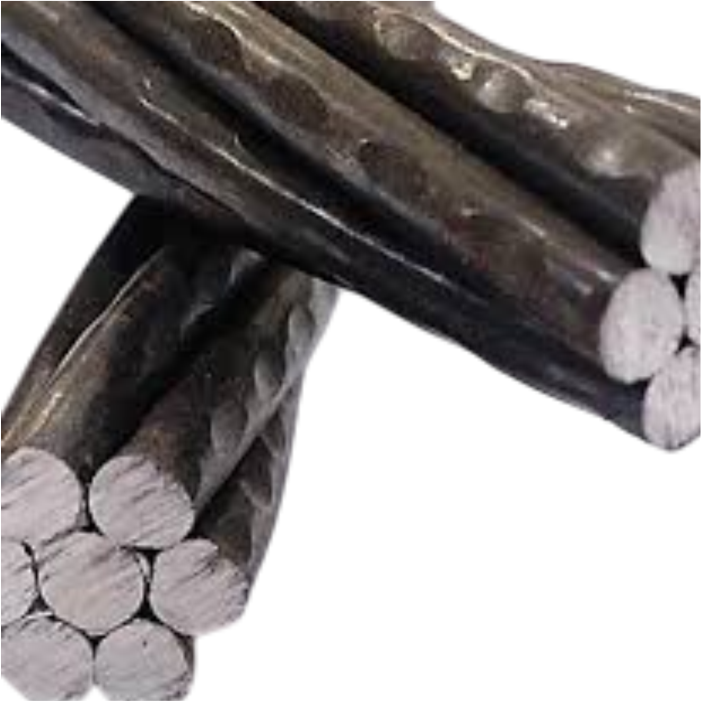
Indented LRPC Strand
*LRPC Strands of all available sizes and grades can be polymer sheathed and galvanized in conformance to all national and international specifications.
Advantages of Low Relaxation Strand
Up to 10% savings on construction costs due to reduced consumption of concrete and steel, alongside shorter lead times
Less stress loss at ambient and elevated temperatures
Uniform stress-strain relationship with higher breaking load and proof stress loads
Enhanced fatigue and corrosion resistance
Consistent physical properties achieved through uniform winding
Close tolerances maintained in the unit mass to length ratio
High reliability with on-site strand failure mitigated by online testing during manufacturing
Larger slab spans can be achieved with fewer columns
Facilitates the construction of stable and crack-resistant structures
Significantly reduces building weight compared to traditional concrete buildings, minimizing distortion
Enables the construction of strong, safe, and lighter structures with accelerated construction speed
Long-span cable-stayed bridges built without intermediate supports
Higher effective force in the tendon, due to lower relaxation losses. Saving in anchorages, ducts, sheaths, wedges
Extends the lifespan of cable-stayed bridges approximately 100 years
Minimizes environmental impact
Wide Applications Range
Providing structural strength, durability, and long-term stability for infrastructure projects
Cable Stay Bridges
High Speed Rail
Precast Construction
Flyovers & Interchanges
Wind Mills
Rock Anchoring
Metro Rail

Pre Fabricated Buildings

Large Concrete Infrastructure (Dams)
Manufacturing Line Features
Advanced and automatic pickling line, multi-block wire drawing and stranding
Built-in feature of supplying material on a tailor-made length basis to reduce wastage
Product Compliance
Meeting international quality standards
BIS & ISO 9001:2015
Indian Standards Certified
International Standards
BS5896 / EN1038 / ASTM / AS / NZS / JIS G 3536
Compliance Standards:
- Indian Standards: IS 14268 - 2017
- British Standards: BS5896 / EN1038
- European Standards: EN 10138
- American Standards: ASTM A416
- Australian and New Zealand Standards: AS/NZS 4672.1
- Japanese Standards: JIS G 3536:2014
In-House Testing Facility
Mechanical Properties Tests
- Fatigue property
- Relaxation property
- Angled breaking force (Deflected tensile)
- Cryogenic test
- Stress-corrosion test
- Breaking load test
Anti-Corrosion Filler Tests
- Congealing point
- Cone penetration
- Operating temperature range
- Oxidation stability
- Corrosion protection
- Compatibility with sheathing
- Dropping point
Engineering Polymer Tests
- Melt flow index
- Density
- Carbon black (Content/Dispersion/Distribution)
- Tensile strength (ambient & sub-zero temp)
- Thermal stability
- UV stability
- Environmental stress cracking resistance
Additional Tests
- Bond test
- Dynamic water tightness test
- Static water tightness test
- Impact test
Storage and Handling of Strands at Site
Proper care during storage and usage ensures optimal performance
Storage Guidelines
- Store strands in a dry, covered shed to prevent rusting and pitting
- For temporary outdoor storage, place coils on wooden support covered with waterproof sheet
- Never place coils on bare soil
- Ensure air circulation to avoid condensation on the coils
- Water soluble oil protects the strand during storage and can be easily washed away with water during use
Handling Guidelines
- Always protect strands from mechanical damage - abrasions, scrapes, or gouges can reduce breaking strength
- Use a well-made tight fitting strand payoff cage when pulling strands from inside coil
- Use spacers/wood blocks between strand coil and payoff cage to ensure tight fit
- Use cutting grinder to cut the strand after stressing
- Use good quality anchoring grips as strand is subjected to tensile and shearing stress
Important Precautions
- Welding and heating of prestressing materials must not be done
- Use disc cutters for cutting strands - flame cutters/torch not advisable
- Place strand pack so arrow pull direction faces the opening
- Ensure less than 2" space between strand pack and cage frame before cutting steel straps
- Caution: LRPC Strands are coiled under high tension - take adequate safety measures while uncoiling
Why Choose BWR
Industry Leader
Experienced steel wire rope manufacturer and largest exporter in India within this segment
Innovation Center
In-house R&D facility and Technical Center for continuous innovation
Strategic Location
Close proximity to Mumbai port, State & National highway
Advanced Technology
Fully automated European machineries for all variants of LRPC
Quality Assurance
Galvanized LRPC to ensure corrosion protection with largest GAL Bed in India
Environmental Commitment
Solar energy, zero liquid discharge, and 6,000+ trees planted
Ready to Build a Better Tomorrow?
Contact us to learn more about our LRPC Strands and how they can benefit your project